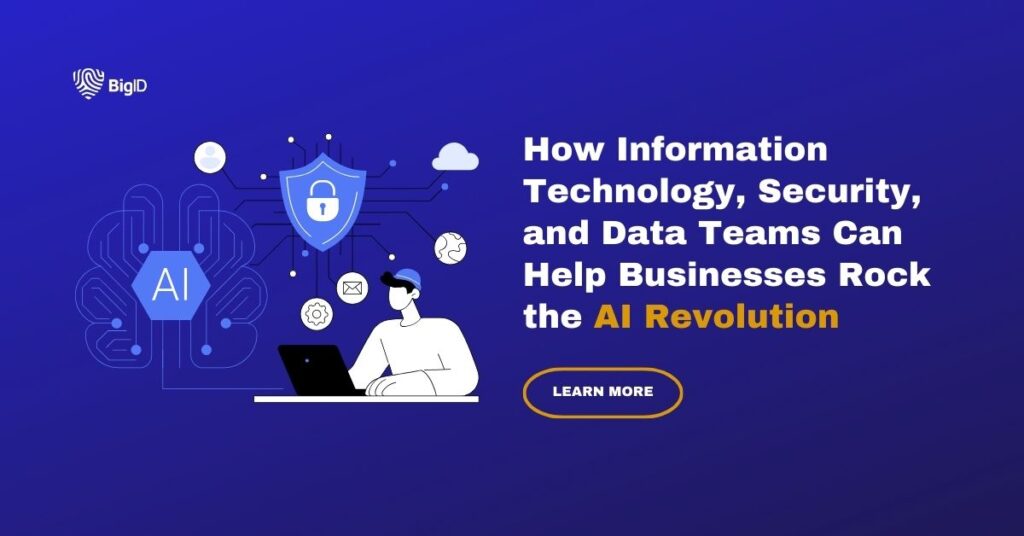
Unless you’ve been living under a rock for the last two years, you’ve probably noticed how Artificial Intelligence (AI) has gone from a futuristic buzzword to something even your grandmother is talking about. AI is everywhere now, from chatbots answering customer questions to tools that can whip up entire essays or create stunning artwork with just a few prompts. Businesses are catching on fast, and AI is quickly becoming a game-changer in the workplace.
But here’s the thing: for AI to work its magic, it needs data. And not just any data—well-organized, clean, and properly labeled data. That’s where you come in. To support this revolution, there’s many behind-the-scenes heroes making sure AI systems, like those fancy Large Language Models (LLMs) tools, have everything they need to be useful, accurate, and safe.
What’s AI Doing for Businesses?
AI is shaking things up in a big way. It’s not just about answering your customer support chat faster or suggesting what you might want to watch on Netflix. Businesses are using AI to:
- Save Time: AI automates boring, repetitive tasks so people can focus on the creative or strategic stuff.
- Make Smarter Decisions: With AI analyzing mountains of data, companies can make decisions based on facts, not guesses.
- Wow Customers: Whether it’s creating personalized recommendations or customizing ads, AI helps businesses connect with customers like never before.
- Grow Faster: AI can scale up operations without adding a ton of extra work for humans.
But all of this depends on one thing: data. And a lot of it.
Big Data – what is it good for? Some sources estimate that in 2024, around 402.74 million terabytes of data were generated daily. And, this explosion of data isn’t just for show—big data analytics drives hundreds of billions of dollars in revenue annually.
Why Data Teams Are Key to the AI Puzzle
For AI to do its job, it needs clean, organized data. Think of AI as a car and data as the fuel. If the fuel is dirty or full of junk, the car won’t run well—or might break down entirely. That’s why data teams are so important.
Here’s how data teams make it all happen:
1. Cleaning and Organizing the Data
Most of the data businesses collect is messy. It might have duplicates, errors, or missing pieces. Data teams:
- Go through the data to clean it up.
- Add labels or tags so AI knows what it’s looking at.
- Make sure the data is relevant and makes sense.
- Ensure sensitive information is not included in building models that can be used by the general public
This is especially important because a lot of business data is unstructured—think random documents, PDFs, or chat logs sitting in cloud storage buckets. Data teams work hard to organize all that chaos.
2. Keeping Data Safe and Compliant
AI needs tons of data, but businesses also need to be careful about how they use it. Data teams ensure:
- Sensitive or proprietary data is well protected.
- The company follows privacy laws like GDPR.
- AI systems don’t accidentally use data they shouldn’t.
How IT, Security, and Data Teams Work Together for AI Readiness
Successful enterprise AI adoption takes more than a capable model or a large collection of data. It requires IT, security, and data teams to work together so AI systems have access to the right information, operate within appropriate safeguards, and deliver reliable business value.
Each team brings a different responsibility to the process.
IT Teams: Build and Maintain AI-Ready Infrastructure
IT teams establish the technical foundation that allows organizations to deploy, integrate, and scale AI applications. Their responsibilities include:
- Managing cloud, on-premises, and hybrid environments that support AI workloads
- Integrating AI applications with approved enterprise systems and data sources
- Maintaining infrastructure availability, performance, and reliability
- Supporting identity management, application integrations, and operational controls
- Coordinating with security and data teams before introducing new AI tools
Without a reliable technical foundation, AI initiatives can become difficult to scale, maintain, or govern.
Security Teams: Protect Sensitive Data and Govern AI Access
Security teams help organizations understand the risks introduced when AI systems interact with enterprise information. As copilots, large language models, and AI agents gain access to business data, security teams need visibility into both the information being used and the identities accessing it.
Key responsibilities include:
- Identifying sensitive, regulated, and business-critical information accessible to AI
- Assessing excessive permissions and unnecessary data exposure
- Evaluating security risks associated with AI applications, integrations, and automated workflows
- Applying appropriate data protection and access governance policies
- Monitoring risks and coordinating remediation with data owners and IT teams
For a deeper look at these challenges, explore AI data security risks and best practices.
Data Teams: Prepare, Classify, and Govern AI Data
Data teams make enterprise information usable and trustworthy for AI applications. Their role extends beyond cleaning datasets to understanding data quality, sensitivity, ownership, and appropriate use.
Responsibilities include:
- Discovering and inventorying relevant structured and unstructured data
- Improving data quality, consistency, and completeness
- Classifying sensitive information and identifying data usage restrictions
- Documenting data sources, ownership, and lineage
- Supporting governance policies for AI training, retrieval, and operational use
These practices help organizations build a stronger foundation for AI systems that depend on accurate, appropriately governed information.
Shared Accountability: Turn AI Readiness into Action
Although each team has distinct responsibilities, AI risks rarely stay within a single department. A data source may be technically accessible, contain sensitive information, and still be inappropriate for a particular AI use case.
That’s why organizations need a shared understanding of what data exists, who or what can access it, how it is being used, and which policies apply.
By combining infrastructure expertise, security controls, and data intelligence, IT, security, and data teams can support faster AI adoption without sacrificing governance or accountability.
A New Era for Data
As AI becomes a bigger part of the business world, data teams are stepping up in new ways. Chief Data Officers (CDOs) are transforming into Chief Data and AI Officers (CDAOs), and their teams are focusing on:
- Getting AI data-ready: Making sure all the data feeding into AI systems is high-quality and well-organized.
- Curating datasets: Picking the best data to train and improve AI models.
- Protecting data assets: Keeping everything secure and compliant with privacy rules.
AI might be the shiny new thing in the business world, but without strong data teams, it’s like a Ferrari without gas. Data teams are the ones who ensure AI systems get the fuel they need to run smoothly, make smart decisions, and deliver real value.
So, the next time you hear about AI doing something amazing, remember that it’s not just the algorithms making it happen—it’s the people behind the scenes, organizing, cleaning, and protecting the data that powers the future.
What Can BigID Do to Help?
With BigID, data teams have a powerful ally in managing and protecting data for AI initiatives. BigID’s ability to classify data across all types—structured, unstructured, in the cloud, or on-premises—makes it a game-changer for businesses embracing AI.
BigID scans for sensitive data, ensuring that information used in AI models is compliant with privacy regulations and is properly secured. BigID can also identify where LLMs are being used within an organization, offering insights into how these models interact with sensitive data. By implementing robust access controls and monitoring data usage, businesses can ensure their AI initiatives are both innovative and responsible.
BigID gives data teams the tools they need to keep AI-driven projects safe, protected, and aligned with the highest standards of data governance.
Click here to learn how BigID can help you reduce risk & accelerate adoption of generative AI.
Author