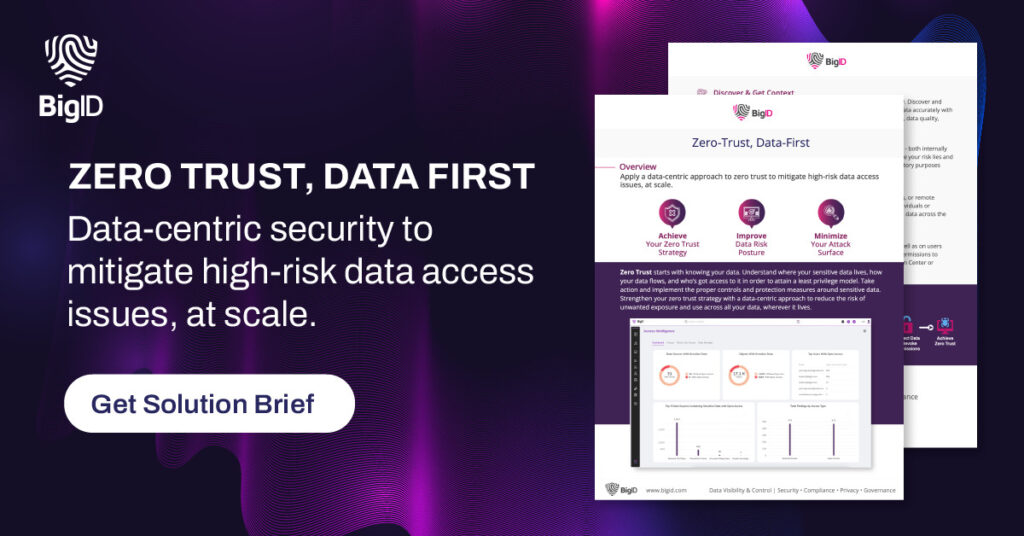

Zero Trust hat die Art und Weise verändert, wie Sicherheitsteams über Zugriffsrechte denken.
Traditionelle Sicherheitsmodelle basierten stark auf einem definierten Perimeter. Sobald ein Benutzer oder ein Gerät in das Netzwerk eingedrungen war, wurde dieser Zugriff von den Systemen oft als vertrauenswürdig eingestuft.
Dieser Ansatz funktioniert nicht mehr.
Die sensiblen Daten umfassen nun Folgendes:
- Cloud-Plattformen
- SaaS-Anwendungen
- lokale Systeme
- Remote-Endpunkte
- APIs und Workloads
- KI-Systeme und Agenten
Benutzer, Anwendungen, Auftragnehmer, Servicekonten und nicht-menschliche Identitäten greifen von überall auf diese Daten zu.
Eine sichere Netzwerkverbindung beweist nicht, dass eine Identität Zugriff auf alle dahinter liegenden Ressourcen haben sollte.
Zero-Trust-Datensicherheit beseitigt diese Annahme. Sie bewertet jede Zugriffsentscheidung anhand von Identität, Kontext, Datensensibilität, Berechtigungen, Verhalten und Risiko.
Wichtigste Erkenntnisse: Zero-Trust-Datensicherheit
• Zero Trust gewährt kein implizites Vertrauen basierend auf Netzwerkstandort, Gerätebesitz oder vorherigem Zugriff.
• Die Datenklassifizierung und der Sensibilitätskontext helfen dabei, zu bestimmen, welche Zugriffsanfragen das größte Risiko darstellen.
• Das Prinzip der minimalen Berechtigungen beschränkt Benutzer, Anwendungen, Arbeitslasten und KI-Systeme auf die Ressourcen, die sie benötigen.
• Die kontinuierliche Überwachung hilft dabei, ungewöhnliche Zugriffe, Änderungen von Berechtigungen und riskante Datennutzung zu erkennen.
• BigID verknüpft sensible Daten, Identitäten, Berechtigungen, Aktivitäten und Abhilfemaßnahmen, um Zero Trust datenbewusst zu gestalten.
Was ist Zero-Trust-Datensicherheit?
Zero-Trust-Datensicherheit wendet die Zero-Trust-Prinzipien direkt auf sensible und wertvolle Daten an.
Es wird davon ausgegangen, dass keinem Benutzer, Gerät, keiner Anwendung, Arbeitslast oder keinem Dienst aufgrund seines Standorts, seines Eigentums oder seines vorherigen Zugriffs implizites Vertrauen entgegengebracht werden sollte.
Stattdessen bewerten Organisationen den Zugriff anhand von Signalen wie:
- Identitäts- und Authentifizierungsstatus
- Geräte- und Arbeitslastverhalten
- angeforderte Ressource
- Datensensibilität
- Benutzer- oder Maschinenverhalten
- Lage und Umweltkontext
- aktuelle Risikobedingungen
Ziel ist es nicht, legitime Arbeit zu blockieren.
Ziel ist es, unter den richtigen Bedingungen den richtigen Zugriff auf die richtige Ressource zu gewähren und anschließend zu überwachen, wie dieser Zugriff genutzt wird.
Das Nationale Institut für Standards und Technologie (NIST) beschreibt Zero Trust als eine Abkehr von statischen, netzwerkbasierten Perimetern hin zum Schutz einzelner Benutzer, Assets und Ressourcen. Leitfaden zur Zero-Trust-Architektur in NIST SP 800-207 bietet eine Grundlage für die Entwicklung und Implementierung dieses Modells.
Traditionelle Sicherheit vs. Zero-Trust-Datensicherheit
| Traditionelle Perimetersicherheit | Zero-Trust-Datensicherheit |
|---|---|
| Vertrauen wird durch den Netzwerkstandort beeinflusst | Kein implizites Vertrauen aufgrund des Standorts |
| Breiter Zugriff nach Authentifizierung | Ressourcenspezifischer, richtlinienbasierter Zugang |
| Regelmäßige Zugriffsüberprüfungen | Dynamische Zugriffsbewertung und -überwachung |
| Netzwerkzentrierte Steuerungen | Identitäts-, Arbeitslast-, Ressourcen- und datenzentrierte Kontrollen |
| Kontext begrenzter Daten | Sensibilität und Exposition beeinflussen Zugangsentscheidungen |
| Reaktion nach Kompromittierung des Perimeters | Kontinuierliche Erkennung, Eindämmung und Sanierung |
Zero Trust beseitigt nicht die Notwendigkeit von Perimeter-, Endpunkt-, Identitäts- oder Netzwerksicherheit.
Es verändert die Art und Weise, wie Organisationen diese Kontrollmechanismen kombinieren.
Anstatt einen erfolgreichen Login oder eine interne Netzwerkverbindung als ausreichenden Vertrauensbeweis zu betrachten, bewertet Zero Trust die spezifische Ressource, die angeforderte Aktion und das Risiko, das mit jeder Interaktion verbunden ist.
Die Kernprinzipien des Zero Trust
Zugriff explizit überprüfen
Zero Trust geht nicht davon aus, dass ein Benutzer, ein Gerät oder eine Arbeitslast Zugriff verdient, nur weil sie sich einmal authentifiziert hat.
Bei Zugangsentscheidungen sollten mehrere Signale berücksichtigt werden, darunter:
- Identität
- Gerätezustand
- Workload-Identität
- Standort
- Verhalten
- Ressourcensensitivität
- Echtzeitrisiko
Organisationen können den Zugang neu bewerten, wenn sich die Bedingungen ändern.
Beispielsweise kann ein gültiges Benutzerkonto dennoch eine zusätzliche Überprüfung auslösen, wenn es ungewöhnlich sensible Daten anfordert, sich von einem unbekannten Gerät aus verbindet oder ein anormales Verhalten zeigt.
Multifaktor-Authentifizierung, Endpunktkontrollen, kontextbezogene Richtlinien und risikobasierte Authentifizierung unterstützen allesamt die explizite Verifizierung.
Prinzip der minimalen Berechtigungen durchsetzen
Die Prinzip der geringsten Privilegien Gewährt jeder Identität nur den Zugriff, der zur Ausführung einer genehmigten Aufgabe erforderlich ist.
Dies gilt für:
- Mitarbeiter
- Administratoren
- Auftragnehmer
- Anwendungen
- Servicekonten
- Cloud-Workloads
- KI-Agenten
Der Zugriff kann auch wie folgt erfolgen:
- beschränkt durch Rolle oder Attribut
- beschränkt auf bestimmte Ressourcen
- vorläufig gewährt
- wird überprüft, wenn sich die Verantwortlichkeiten ändern
- wird widerrufen, sobald es nicht mehr benötigt wird.
Das Prinzip der minimalen Berechtigungen reduziert die Menge an Daten, auf die ein Angreifer oder eine kompromittierte Identität zugreifen kann.
Außerdem begrenzt es die versehentliche Offenlegung von Daten, die durch veraltete Berechtigungen oder Rollenänderungen verursacht werden., übermäßiges Teilen, und geerbten Zugriff.
Von einem Verstoß ausgehen
Zero-Trust-Planungen berücksichtigen den Fall, dass ein Angreifer bereits in die Umgebung eingedrungen ist oder eine legitime Identität kompromittiert hat.
IBMs Schätzung der Kosten eines Datenlecks im Jahr 2024 Laut einer Studie dauerte es weltweit durchschnittlich 194 Tage, um eine Sicherheitslücke zu identifizieren, und weitere 64 Tage, um sie einzudämmen. Sicherheitslücken, bei denen Daten über mehrere Umgebungen verteilt waren, dauerten sogar noch länger.
Eine Strategie, die auf einen Sicherheitsvorfall setzt, konzentriert sich darauf, die Möglichkeiten eines Angreifers nach dem ersten Eindringen zu reduzieren.
Das erfordert:
- fortlaufende Zugriffsüberwachung
- Segmentierung und Isolation
- Anomalieerkennung
- Schnellzugriffsentzug
- Eindämmung des Zwischenfalls
- Sanierungsworkflows
Mikrosegmentierung kann die laterale Ausbreitung von Sicherheitslücken einschränken, ist aber nur ein Teil einer umfassenderen Zero-Trust-Strategie. Identitätsbasierte Richtlinien, Workload-Kontrollen, Autorisierung auf Ressourcenebene und datenzentrierte Schutzmaßnahmen sind ebenfalls wichtig.
Warum der Datenkontext in Zero Trust wichtig ist
Zero-Trust-Zugriffsentscheidungen werden effektiver, wenn Sicherheitsteams die Daten hinter der Ressource verstehen.
Eine Zugriffsanfrage Die Anforderung öffentlicher Dokumentation birgt nicht dasselbe Risiko wie eine Anfrage nach:
- Kundendatensätze
- Zahlungsdaten
- geschützte Gesundheitsdaten
- Mitarbeiterakten
- geistiges Eigentum
- KI-Trainingsdaten
Sicherheitsteams müssen Folgendes wissen:
- welche Daten die Ressource enthält
- wie empfindlich oder reguliert es ist
- Wer oder was kann darauf zugreifen?
- ob dieser Zugang notwendig ist
- wie die Daten genutzt werden
- ob die Exposition zunimmt
Ohne diesen Kontext wenden Organisationen möglicherweise die gleichen Kontrollmechanismen sowohl auf Ressourcen mit niedrigem als auch mit hohem Risiko an.
Sie könnten auch das Prinzip der minimalen Berechtigungen für die Infrastruktur durchsetzen, während sensible Daten innerhalb dieser Infrastruktur weitgehend zugänglich bleiben.
Data-centric Zero Trust verknüpft Zugriffsentscheidungen direkt mit Datensensibilität, Datenverfügbarkeit und geschäftlichen Auswirkungen.
Wie Zero Trust sensible Daten schützt
Daten entdecken und klassifizieren
Organisationen können datenbasierte Zugriffsrichtlinien nicht durchsetzen, wenn sie nicht wissen, welche Daten existieren.
Datenermittlung und -klassifizierung Organisationen dabei unterstützen, sensible, regulierte, persönliche, finanzielle, gesundheitsbezogene und firmeneigene Informationen zu identifizieren in folgenden Bereichen:
- Cloud-Umgebungen
- SaaS-Anwendungen
- Datenbanken
- Dateifreigaben
- lokale Systeme
- KI-Umgebungen
Die Klassifizierung liefert den notwendigen Kontext, um die Schutzanforderungen mit dem tatsächlichen Datenrisiko in Einklang zu bringen.
Kartenidentitäten und effektiver Zugriff
Der Zugriff kann durch direkte Berechtigungen erfolgen., Rollen, Gruppen, geerbte Berechtigungen, Servicekonten, Anwendungen oder nicht-menschliche Identitäten.
Organisationen benötigen Einblick in den effektiven Zugriff, nicht nur in den konfigurierten Zugriff.
Dazu gehört auch das Verständnis:
- wer Zugriff auf sensible Daten hat
- wie der Zugang gewährt wurde
- ob Berechtigungen vererbt werden
- welche Zugangswege schaffen Exposition
- Welche Identitäten sind überprivilegiert?
Datenzugriffsverwaltung hilft dabei, Identitäts- und Berechtigungsinformationen mit der Sensibilität der betreffenden Daten zu verknüpfen.
Datenaktivität und -nutzung überwachen
Zugriffsrechte zeigen, was eine Identität bewirken kann.
Die Aktivität zeigt, was sie tatsächlich bewirkt.
Datenaktivitätsüberwachung Hilft Teams dabei zu verstehen, wie auf sensible Informationen zugegriffen, diese abgefragt, verschoben, weitergegeben oder verändert werden.
Dieser Kontext kann Folgendes offenbaren:
- ungewöhnliche Downloads
- unerwartete Zugriffsmuster
- Aktivitäten außerhalb des normalen Arbeitsverhaltens
- Hochrisiko-Sharing
- verdächtige Nutzung durch Anwendungen oder KI-Agenten
Übermäßigen Zugriff beheben
Sichtbarkeit allein reduziert das Risiko nicht.
Organisationen benötigen Arbeitsabläufe, die ihnen dabei helfen:
- Unnötige Berechtigungen entfernen
- den Zugang für breite Gruppen einschränken
- veraltete Berechtigungen widerrufen
- Quarantäne oder Schutz offengelegter Daten
- Weisen Sie die Probleme den zuständigen Verantwortlichen zu.
- Korrekturmaßnahmen dokumentieren
Automatisierte Behebung hilft Sicherheitsteams dabei, von der Identifizierung von Zero-Trust-Lücken zu deren Behebung überzugehen.
Zero Trust vs. Least Privilege
Zero Trust und Least Privilege ergänzen sich, sind aber nicht austauschbar.
Geringste Privilegien Definiert, wie viel Zugriff eine Identität erhalten soll.
Null Vertrauen bietet das umfassendere Modell für die Bewertung, Gewährung, Überwachung und Überprüfung dieses Zugangs.
Eine Least-Privileged-Richtlinie kann festlegen, dass ein Finanzanalyst auf einen bestimmten Satz von Finanzdaten zugreifen darf.
Ein Zero-Trust-System bewertet außerdem:
- ob die Identität des Analysten verifiziert wurde
- ob das Gerät die Sicherheitsanforderungen erfüllt
- ob die Anfrage dem erwarteten Verhalten entspricht
- ob die Ressource sensible Daten enthält
- ob sich die Bedingungen seit Beginn des Zugangs geändert haben
Das Prinzip der minimalen Berechtigungen ist ein zentraler Bestandteil der Zero-Trust-Kontrolle.
Zero Trust ergänzt dies um Verifizierung, Kontext, Überwachung und Reaktion.
Vorteile der Zero-Trust-Datensicherheit
Reduzierte Datenexposition
Zero Trust beschränkt den weitreichenden und unnötigen Zugriff auf sensible Informationen.
Indem Organisationen Zugriffsentscheidungen an den Geschäftsbedarf und die Sensibilität der Daten anpassen, können sie eine übermäßige Offenlegung von Daten verhindern, bevor es zu Missbrauch oder Kompromittierung kommt.
Begrenzte Auswirkungen der Datenschutzverletzung
Eine kompromittierte Identität sollte keinen uneingeschränkten Zugriff auf die gesamte Umgebung ermöglichen.
Das Prinzip der minimalen Berechtigungen, Segmentierung, ressourcenbezogene Richtlinien und datenbasierte Kontrollen tragen dazu bei, die potenziellen Auswirkungen einzudämmen.
Geringerer Wert gestohlener Zugangsdaten
Ein gültiges Passwort allein sollte kein Vertrauen schaffen.
Gerätestatus, MFA, Verhalten, Standort, angeforderte Ressource und andere Kontextinformationen können helfen, verdächtige Zugriffe zu erkennen, selbst wenn ein Angreifer legitime Anmeldeinformationen verwendet.
Schnellere Erkennung und Reaktion
Die kontinuierliche Überwachung verschafft den Sicherheitsteams einen besseren Überblick darüber, wer oder was auf sensible Daten zugreift und wie diese Daten verwendet werden.
Teams können Anomalien früher erkennen, Zugriffsrechte neu bewerten und Gegenmaßnahmen einleiten, bevor das Risiko zunimmt.
Stärkere Cloud- und Hybrid-Sicherheit
Zero Trust ist nicht von einer einzelnen Netzwerkgrenze abhängig.
Organisationen können einheitliche Zugriffsrichtlinien für Remote-Benutzer, SaaS-Anwendungen, Cloud-Workloads, lokale Systeme und verteilte Datenspeicher anwenden.
Verbesserte Unterstützung bei der Einhaltung von Vorschriften
Zero Trust kann regulatorische und Governance-Anforderungen unterstützen, indem es Organisationen hilft:
- Zugriff auf sensible Daten beschränken
- Dokumentberechtigungen
- Überwachung der Datennutzung
- Prüfprotokolle verwalten
- Demonstration von Kontrollen nach dem Prinzip der geringsten Privilegien
Zero Trust garantiert von sich aus keine Compliance, kann aber die Schutzmaßnahmen und Nachweise stärken, die zur Unterstützung regulatorischer Programme erforderlich sind.
Anwendungsfälle für Zero-Trust-Datensicherheit
Schutz von Finanzdaten
Finanzinstitute müssen Zahlungsinformationen, Kontodaten, Transaktionsaufzeichnungen und andere sensible Vermögenswerte schützen.
Zero Trust kann Identität, Gerät, Verhalten, Transaktionskontext und Datensensibilität bewerten, bevor der Zugriff gewährt wird.
Ungewöhnliche Standorte, ungewöhnliche Aktivitäten oder Anfragen nach hochsensiblen Ressourcen können zusätzliche Überprüfungen oder Zugriffsbeschränkungen auslösen.
Schutz von Gesundheitsdaten
Der Health Insurance Portability and Accountability Act (HIPAA) verpflichtet die betroffenen Organisationen, Gesundheitsdaten durch geeignete Sicherheitsvorkehrungen zu schützen.
Klinische, administrative und abrechnungsbezogene Anwender benötigen häufig unterschiedliche Zugriffsebenen.
Ein Arzt benötigt möglicherweise Unterlagen, die für die Behandlung relevant sind, während das Abrechnungspersonal unter Umständen nur administrative und zahlungsbezogene Informationen benötigt.
Zero-Trust-Richtlinien können Rolle, Zweck, Ressourcensensibilität und Kontext bewerten, bevor der Zugriff gewährt wird.
Sicherung von Cloud- und SaaS-Anwendungen
Cloud-native Umgebungen kombinieren Anwendungen, APIs, Datenspeicher, Workloads und verteilte Teams.
Zero Trust ermöglicht es Organisationen, den Zugriff auf Ressourcenebene zu bewerten, anstatt einem Benutzer oder einer Arbeitslast zu vertrauen, weil sie innerhalb eines bestimmten Netzwerks operiert.
Kontrolle des Zugriffs Dritter
Lieferanten, Auftragnehmer und Partner benötigen häufig temporären Zugriff auf interne Systeme oder Daten.
Zero Trust kann den Zugriff Dritter einschränken, indem:
- spezifische Aufgabe
- genehmigte Ressource
- definierte Dauer
- Gerätezustand
- geschäftlicher Zweck
Organisationen können diese Aktivitäten überwachen und den Zugriff widerrufen, wenn die Zusammenarbeit endet.
Schutz von Einzelhandels- und Kundendaten
Einzelhändler verwalten Zahlungsdaten, Versandinformationen, Kontodaten und Kaufhistorien.
Verschiedene Teams benötigen unterschiedliche Teilmengen dieser Informationen.
Ein Kundendienstmitarbeiter benötigt möglicherweise Bestell- und Lieferdetails, aber nicht die vollständigen Zahlungskartendaten. Ein Versandteam benötigt möglicherweise Versandinformationen, aber nicht die Zahlungsdetails des Kunden.
Zero Trust hilft dabei, den Zugriff je nach Rolle, Zweck und Sensibilität einzuschränken.
Steuerung von KI-Agenten und nicht-menschlichen Identitäten
KI-Agenten, Anwendungen, APIs und Servicekonten benötigen ebenfalls Zugriff auf Unternehmensdaten.
Eine moderne Zero-Trust-Strategie muss bewerten, auf welche nicht-menschlichen Identitäten Zugriff haben, welche Aktionen sie ausführen können und wie sich ihre Aktivitäten auf sensible Daten auswirken.
Das macht den identitätsbezogenen Datenkontext immer wichtiger, je mehr Organisationen autonome KI einsetzen.
Wie man Zero-Trust-Datensicherheit implementiert
1. Identifizieren und klassifizieren Sie sensible Daten
Erstellen Sie ein präzises Dateninventar für Cloud-, SaaS-, On-Premises-, Hybrid- und KI-Umgebungen.
Informationen nach Sensibilität, regulatorischem Status, Geschäftswert und Risiko klassifizieren.
2. Kartierung des Zugangs von Menschen und Nicht-Menschen
Identifizieren Sie Benutzer, Gruppen, Anwendungen, Workloads, Servicekonten und KI-Agenten mit Zugriff auf sensible Daten.
Berücksichtigen Sie direkte, vererbte und indirekte Berechtigungen.
3. Priorisierung von Hochrisiko-Expositionen
Konzentrieren Sie sich zunächst auf sensible Daten, das heißt:
- öffentlich bloßgestellt
- weit verbreitet
- Zugriff über veraltete Konten
- verfügbar für überprivilegierte Identitäten
- ohne erforderlichen Schutz gelagert
4. Das Prinzip der minimalen Berechtigungen durchsetzen
Der Zugriff sollte nach Rolle, Zweck, Sensibilität und aktuellem Bedarf beschränkt werden.
Nutzen Sie gegebenenfalls temporären oder bedarfsgerechten Zugriff.
5. Aktivitäten kontinuierlich überwachen
Verfolgen Sie den Zugriff und die Nutzung sensibler Daten.
Nutzen Sie Verhaltens- und Kontextsignale, um ungewöhnliche Aktivitäten zu erkennen und den Zugang neu zu bewerten, wenn sich das Risiko ändert.
6. Ressourcen segmentieren und Bewegungsfreiheit einschränken
Um zu verhindern, dass sich eine kompromittierte Identität ungehindert über nicht zusammenhängende Systeme und Daten ausbreitet, sollten Segmentierung, Autorisierung auf Ressourcenebene und Workload-Kontrollen eingesetzt werden.
7. Automatisierte Sanierungsmaßnahmen
Erstellen Sie Arbeitsabläufe, um überflüssige Berechtigungen zu entfernen, die Gefährdung zu reduzieren, Eigentümer zu benachrichtigen und Aktionen zu dokumentieren.
8. Messen und Verfeinern
Überprüfen Sie regelmäßig Zugriffsrichtlinien, Risikoanalysen, Fortschritte bei der Behebung von Mängeln und sich ändernde Datenumgebungen.
Zero Trust ist ein Betriebsmodell, kein einmaliges Projekt.
Wie BigID datenzentriertes Zero Trust ermöglicht
BigID hilft dabei Null Vertrauen datenbewusst.
Die Plattform verknüpft sensible Daten mit Identitäten, Berechtigungen, Aktivitäten, Eigentumsverhältnissen und Geschäftskontext, sodass Sicherheitsteams aussagekräftige Zugriffsrisiken erkennen und Maßnahmen ergreifen können.
Mit BigID können Organisationen:
- sensible Daten entdecken und klassifizieren über Cloud-, SaaS-, On-Premises-, Hybrid- und KI-Umgebungen hinweg
- Kartierung des menschlichen und nicht-menschlichen Zugangs zu sensiblen Informationen
- Vererbte Berechtigungen, weitreichende Zugriffsrechte und überprivilegierte Identitäten identifizieren
- überwachen, wie auf sensible Daten zugegriffen und diese verwendet werden
- Priorisierung der Offenlegung basierend auf Sensibilität, Identität, Verhalten und geschäftlichen Auswirkungen
- Automatisieren Sie die Behebung und die Durchsetzung des Prinzips der geringsten Privilegien unterstützen.
Dies hilft Organisationen dabei, von einer breit angelegten Infrastruktursteuerung zu einem präziseren Modell überzugehen:
Die Daten kennen, den Zugriff verstehen, die Nutzung überwachen und das Risiko minimieren.
Das Fazit
Zero Trust ist nicht einfach nur eine Netzwerkarchitektur oder eine Authentifizierungsstrategie.
Es handelt sich um ein Sicherheitsmodell, das implizites Vertrauen auflöst und den Zugriff auf einzelne Ressourcen bewertet.
Damit Zero Trust sensible Daten effektiv schützen kann, müssen Organisationen Folgendes verstehen:
- Was die Daten sind
- wo es lebt
- Wer oder was kann darauf zugreifen?
- wie es verwendet wird
- welche Berechtigungen tatsächliche Sichtbarkeit schaffen
Zero Trust beginnt mit der Verifizierung, aber effektive Zero-Trust-Datensicherheit hängt von Kontext und Kontrolle auf der Datenebene ab.
Häufig gestellte Fragen zur Zero-Trust-Datensicherheit
Was ist Zero-Trust-Datensicherheit?
Zero-Trust-Datensicherheit wendet die Zero-Trust-Prinzipien direkt auf sensible Daten an, indem sie den Zugriff überprüft, das Prinzip der minimalen Berechtigungen durchsetzt, den Kontext auswertet und überwacht, wie geschützte Informationen verwendet werden.
Wie schützt Zero Trust sensible Daten?
Zero Trust beschränkt den Zugriff anhand von Identität, Geräte- oder Workload-Status, Geschäftsbedarf, Datensensibilität und Risiko. Es überwacht zudem die Aktivitäten und überprüft den Zugriff bei veränderten Bedingungen neu.
Worin besteht der Unterschied zwischen Zero Trust und Least Privilege?
Das Prinzip der minimalen Berechtigungen beschränkt Identitäten auf die minimal erforderlichen Zugriffsrechte. Zero Trust ist das umfassendere Modell, das diese Zugriffsrechte kontext- und risikobasiert überprüft, gewährt, überwacht und neu bewertet.
Was sind die Kernprinzipien von Zero Trust?
Zu den Kernprinzipien gehören explizite Verifizierung, Zugriff nach dem Prinzip der minimalen Berechtigungen, Annahme eines Verstoßes, Überwachung der Aktivitäten, Begrenzung der lateralen Bewegung und schnelle Reaktion bei Risikoänderungen.
Wie unterstützt die Datenklassifizierung Zero Trust?
Die Datenklassifizierung dient der Ermittlung der Sensibilität und des regulatorischen Status von Informationen, sodass Organisationen Zugriffsrichtlinien und Schutzmaßnahmen entsprechend dem tatsächlichen Datenrisiko anwenden können.
Funktioniert Zero Trust in Cloud- und Hybridumgebungen?
Ja. Zero Trust bewertet den Zugriff auf Ressourcenebene und ermöglicht es Unternehmen so, einheitliche Kontrollen über Cloud-, SaaS-, On-Premises-, Hybrid- und Remote-Umgebungen hinweg anzuwenden.
Wie unterstützt BigID Zero-Trust-Datensicherheit?
BigID hilft Organisationen dabei, sensible Daten zu entdecken, menschliche und nicht-menschliche Zugriffe abzubilden, Aktivitäten zu überwachen, übermäßige Berechtigungen zu identifizieren, die Gefährdung zu priorisieren und die Behebung zu automatisieren.
Daten in den Mittelpunkt von Zero Trust stellen
Sensible Daten aufdecken, menschlichen und nicht-menschlichen Zugriff abbilden, übermäßige Berechtigungen identifizieren, die Nutzung überwachen und das Prinzip der minimalen Berechtigungen mit datenorientierten Sicherheitskontrollen durchsetzen.
Autor