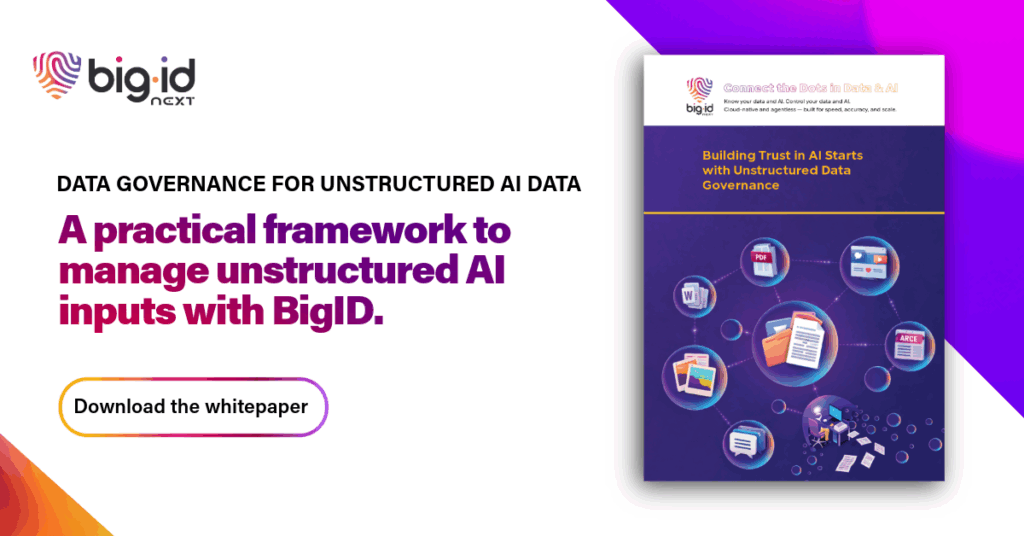

Ich verbringe viel Zeit mit Teams aus den Bereichen Unternehmenssicherheit, Datenschutz und Datenmanagement. In den letzten 18 Monaten hat sich die Art der Gespräche, die ich führe, merklich verändert. Diskussionen über Compliance sind zwar nicht verschwunden, aber immer häufiger werde ich mit Fragen konfrontiert, die in etwa so lauten: “Wir entwickeln KI-Anwendungen. Wie können wir sicherstellen, dass wir dabei kein massives Risikoproblem schaffen?”
Meine Antwort ist immer dieselbe: Man kann seine KI nicht steuern, ohne zuerst seine Daten zu steuern. Und für die meisten Unternehmen stellt der schwierigste Teil dieser Gleichung die Verarbeitung unstrukturierter Daten dar.
Das Problem der unstrukturierten Daten
Wenn ich mit Kunden über ihre Probleme spreche, sehe ich immer wieder dieselben Muster.
Strukturierte Daten wie Datenbanken, Data Warehouses und Cloud-Plattformen sind weitgehend kontrollierbar und weisen typischerweise kein explosionsartiges Wachstum auf. Governance-Frameworks lassen sich leichter implementieren.
Unstrukturierte Daten Das ist eine andere Geschichte.
Beispiele hierfür sind SharePoint-Websites mit Hunderttausenden ungeprüften Dokumenten; S3-Buckets, in denen sich seit 2017 ohne jegliche Kontrolle Dateien ansammeln; Google Drive-Ordner, in denen ausscheidende Mitarbeiter alles hinterlassen, was man in seinen Modellen nie wieder benötigt. Ganz zu schweigen von etablierten Unternehmen mit eigenen oder selbstverwalteten Datenspeichern.
Und wenn ich Kunden die grundlegendsten Fragen stelle, wie “Was befindet sich in Ihren Daten?” oder “Sind sie geschützt?”, höre ich meist die gleichen Antworten: Wir wissen nicht wirklich, was wir haben, wo es sich befindet oder welches potenzielle Risiko es für das Unternehmen darstellt.
Das war noch machbar, als die Daten einfach nur da waren. Jetzt ist es nicht mehr machbar.
Diese Daten werden nun in RAG-Pipelines eingespeist, um Datensätze feinabzustimmen und KI-Wissensdatenbanken zu erstellen. KI-System mit breitem Datenzugriff Und schlechte Regierungsführung sorgt nicht nur dafür, dass eine einzelne Datei einer einzelnen Person zugänglich gemacht wird; sie legt sensible Informationen jedem offen, der die richtigen Fragen stellen kann.
Wo Unternehmen Fehler machen
Der häufigste Fehler, den ich sehe, ist die Behandlung KI-Datenverwaltung Als Folgeproblem muss das MLOps-Team dieses nach dem Aufbau der Pipeline lösen. Bis dahin sind die Daten bereits eingelesen und möglicherweise für das Training verwendet worden. Eine nachträgliche Bereinigung ist praktisch unmöglich.
Der zweite Fehler besteht in der Annahme, die Kontrolle der KI-Ausgaben reiche aus. Sind sensible Daten bereits im Modell oder Index enthalten, ist die Ausgabefilterung nur eine Notlösung, keine dauerhafte Lösung. Sie müssen kontrollieren und steuern, was in das Modell gelangt.
Der dritte Fehler besteht darin, die grundlegenden Prinzipien der Datenminimierung nicht auf KI anzuwenden. GDPR erfordert es. HIPAA erfordert es. EU-KI-Gesetz bewegt sich in die gleiche Richtung. Die meisten KI-Teams, mit denen ich spreche, haben noch nicht darüber nachgedacht, wie dieses Prinzip auf ihre Trainingsdaten oder Abrufindizes anwendbar ist.
Wie BigID das Problem löst
Es beginnt mit Entdeckung.
BigID bietet umfassende Abdeckung in großem Umfang, Verbindung zu über 200 Datenquellen Es funktioniert sofort, unabhängig davon, wo die Daten gespeichert sind, ohne das Problem durch eine Datenverschiebung zu verschärfen. Die Daten bleiben an ihrem Platz.
Bevor ein Dokument in eine Datenpipeline gelangt, müssen Sie dessen Inhalt verstehen. Sie benötigen detaillierte Informationen, nicht nur eine oberflächliche Kategorisierung. Details sind entscheidend.
Von dort aus trennt die Klassifizierung die tatsächliche Regierungsführung vom Sicherheitstheater.
Der Kern von BigID kombiniert Mustererkennung, Verarbeitung natürlicher Sprache, Clusteranalyse, überwachtes und unüberwachtes maschinelles Lernen sowie patentiertes Exact Data Matching., LLM-basierte Klassifizierung, LLM-gestützte Reduzierung falsch positiver Ergebnisse und kontextbezogene Klassifizierung. Die Liste wird ständig erweitert. All dies geschieht in einem einheitlichen Rahmen für Ihre gesamten Datenbestände.
Zusammen bieten Ihnen diese Funktionen unvergleichliche Einblicke. BigID wird zu Ihrer KI-Entscheidungsmaschine: Kann ich diese Daten sicher verwenden?
Sobald Sie verstanden haben, um welche Daten es sich handelt, müssen Sie herausfinden, wer Zugriff darauf hat. Mit wem werden die Daten geteilt? Sollten sie überhaupt geteilt werden?
Zugriff auf Informationen ist der Schlüssel zur Beantwortung dieser Fragen. BigID bietet einen vollständigen Überblick über Zugriff und Kontrolle für jedes verwaltete Dokument. Kombiniert mit integrierte Sanierungsfunktionen, Durch Maßnahmen wie das Entfernen von Berechtigungen oder das Verschieben von Daten an sichere Orte erhalten Organisationen die für verantwortungsvolle KI erforderliche Sicherheitsebene.
Der letzte Schritt im Steuerungsprozess ist die Durchsetzung der Richtlinien.
Transparenz allein genügt nicht. Ein Kommentar, den wir immer wieder von CISOs hören, lautet: “Ich brauche nicht nur Sichtbarkeit. Ich muss das Problem lösen.”
Dies sind die grundlegenden Bausteine. Sie müssen in großem Umfang implementiert werden, die Kontrolle innerhalb Ihrer Umgebung behalten und die Entscheidungsprozesse transparent darlegen. Es darf sich nicht um einen intransparenten Prozess handeln.
Diese Fähigkeiten geben Unternehmen die nötige Kontrolle, um KI im Unternehmensmaßstab sicher zu steuern.
Was geschieht als Nächstes?
Die Richtung der KI-Regulierung wird immer deutlicher.
Die EU-KI-Gesetz, Rahmenwerk des NIST für das KI-Risikomanagement, Sowohl die Gesetzgebung auf Ebene der US-Bundesstaaten als auch die der einzelnen Bundesstaaten deuten darauf hin, dass eine nachweisbare Kontrolle über Trainings- und Abrufdaten für KI-Systeme erforderlich sein wird. Unternehmen können es sich nicht leisten, erst im Nachhinein reagieren zu müssen. Wer jetzt handelt, ist für die Zukunft besser gerüstet.
Neben der Einhaltung der Vorschriften spielt auch die Leistung eine Rolle.
RAG-Systeme, die auf sauberen, gut verwalteten Daten basieren, liefern genauere und zuverlässigere Ergebnisse als Systeme, die auf ungefilterten Datenquellen beruhen. Sie sind zudem wirtschaftlicher im Betrieb.
Hier kommt BigID ins Spiel. BigID bietet den einzigen vollständigen Katalog und das einzige Inventar mit dem Umfang und der Abdeckung, die für die Verwaltung des modernen unstrukturierten Datenbestands erforderlich sind.
Die Verwaltung unstrukturierter Daten beschränkt sich nicht nur auf die Risikominderung. Es geht darum, KI-Systeme zu entwickeln, die im Unternehmensmaßstab tatsächlich zuverlässig funktionieren.
Die Frage ist nicht, ob man seine KI-Daten kontrollieren sollte. Sondern ob man es jetzt richtig macht oder später die Scherben aufsammelt und sich nie vollständig erholt.